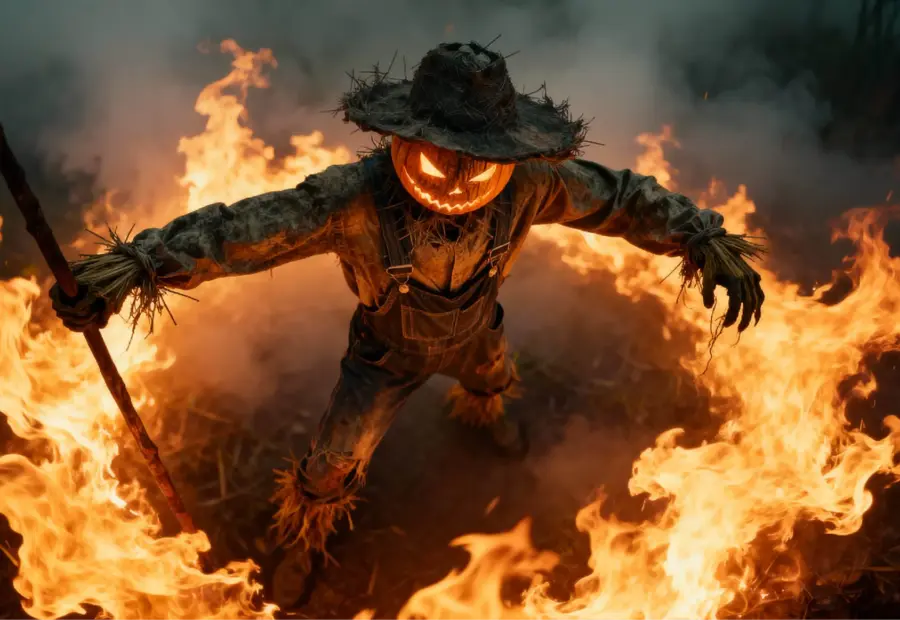
- Content-led strategy: Fanta is building the Fanta Haunted Universe as a proprietary entertainment property. The long-term goal is to ‘own’ Halloween globally in the same way its parent, The Coca-Cola Company, has ‘owned’ Christmas for nearly a century.
- Episodic content: The brand is transitioning from a traditional campaign to a multi-year franchise narrative arc across 50 global markets. Gone are seasonal ads and in their place is a repeatable entertainment-first storytelling platform. The aim is to shift reliance away from expensive paid media to organic community sharing and crowd-sourced content.
- Product extension: The drink itself serves as the physical anchor for this narrative universe. Fanta is introducing core character archetypes – like Howlie the werewolf DJ and Drayk the charming vampire – directly onto the packaging with new characters who appear alongside limited-edition drink flavours.
- Sales generation: The brand is driving retail urgency by turning its packaging into collectibles. High-impact out-of-home displays and QR codes on packs also deliver exclusive digital rewards and physical retail activations.
- AI backlash: However, this rollout shows that even the most ambitious campaigns can trip up somewhere. Gen Z consumers have criticised the generative visuals used in recent promotions as ‘AI slop’, leading many to actively unfollow or boycott the brand.
It’s (almost) Fan-tastic!
Work
| Fanta’s Haunted Universe is worth a look. It’s swapped selling drinks for selling stories, proving that even FMCG need to think like entertainment studios.